Grant Amount: £9,159
Our annual grants for elderly stipends and emergency medical grants ensure the most vulnerable people in Tibetan communities are looked after.
We provide stipends for elderly Tibetans living in Dekyiling settlement in India and in Jampaling, Paljorling and Tashi Gang settlements in Nepal. This helps elders live independent, comfortable lives without having to worry about how they will meet their basic needs.
We also give emergency medical grants to Tibetans living in settlements in Nepal to cover the cost of unexpected medical bills – something they may not otherwise be able to pay for.
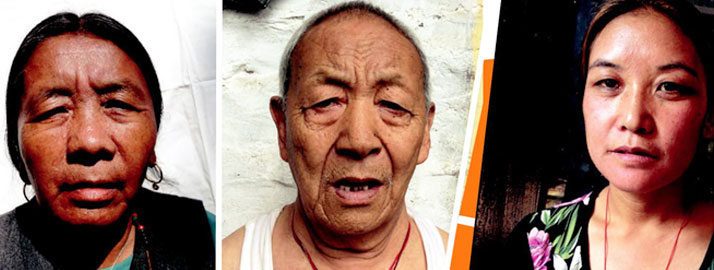
Here are the stories of some of the people who have been given a helping hand.
Elderly stipends
Mrs Passang Sichoe is 73 years old and was born into a nomadic family which fled to Nepal in 1959. Passang was a teenage girl at the time and found work in the home of a local Nepali family, cooking and cleaning.
Later she met her husband Thupten Tsewang who was in the Tibetan Guerrilla Forces. They married and moved from Mustang to Pokhara together, taking up carpet weaving and yarn spinning to earn a living.
Thupten sadly passed away in 2000 and since then Passang has lived alone. With no children or family to turn to, her stipend is a real lifeline so she can afford food, clothing and daily living costs.
Emergency medical grants
Mr Daryen is 78 years of age and had been taking Tibetan herbal medicine for low blood pressure and migraines. For a few months, he had been feeling faint and a few times he fell and injured himself.
His last fall was particularly bad so his family took him to hospital where he immediately underwent surgery to relieve bleeding on his brain.
We’re pleased to report that since surgery Mr Daryen has made a full recovery and is doing regular circuits of the temple once again!
Ms Sonam usually travels to India each winter to earn a living selling winter clothes door to door. Last winter, Ms Sonam was unable to make her annual trip as she was suffering from a fever, back pain and weight loss.
Her friend managed to take her to hospital and the doctor diagnosed her with dengue fever, a viral disease contracted from mosquitos. After being cared for in hospital, Ms Sonam has since felt much better and returned home and now will be able to make her next trip!